
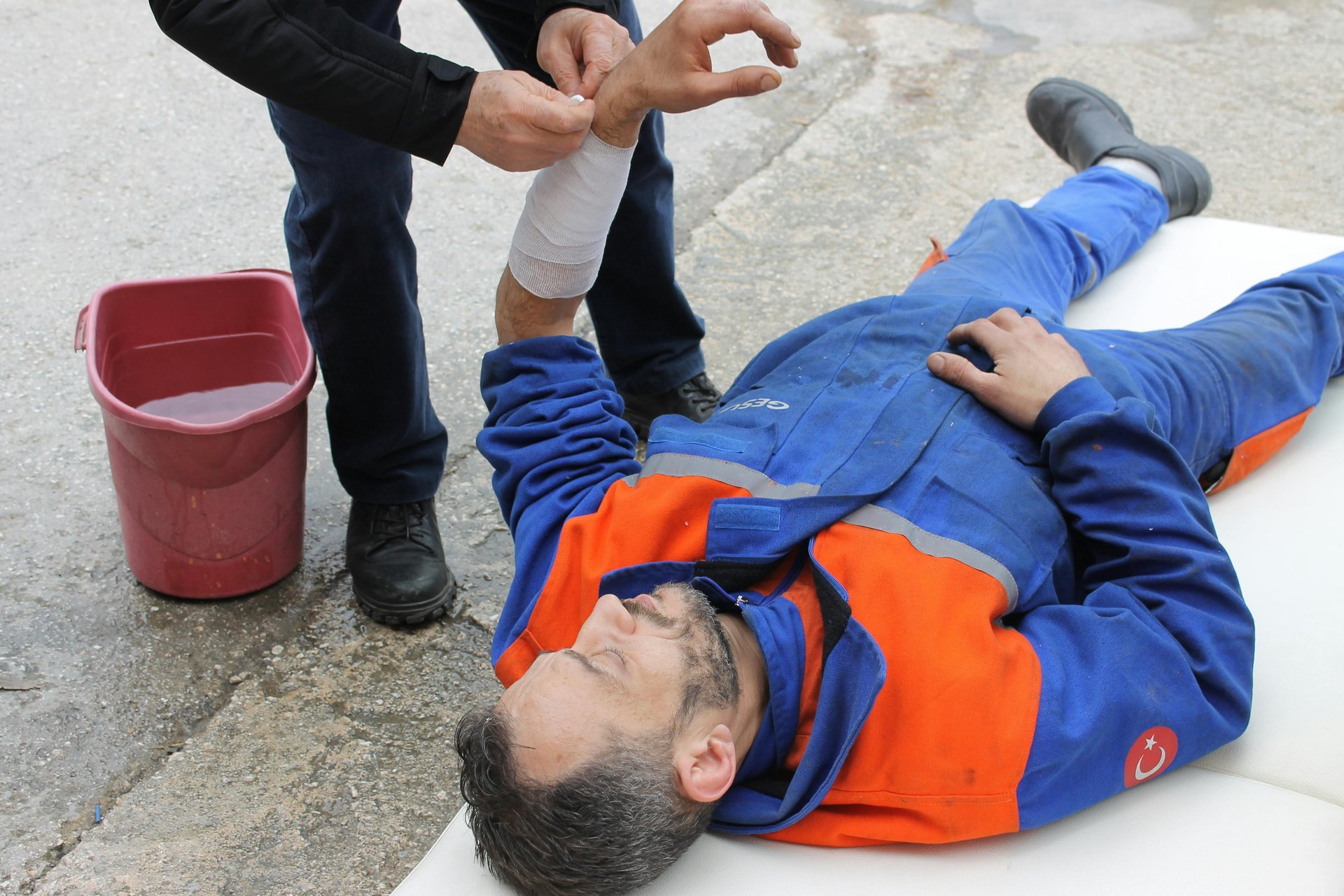
Aged care incident management is a regulatory obligation and a cornerstone of quality care delivery in Australia. Every approved aged care provider must maintain systems that identify, classify, respond to, and learn from incidents affecting the safety and wellbeing of care recipients.
Under the Aged Care Act 2024 and the Serious Incident Response Scheme (SIRS), providers face strict reporting obligations enforced by the Aged Care Quality and Safety Commission (ACQSC). Failure to manage incidents effectively can result in sanctions, compliance actions, and loss of registration.
This guide explains how to classify aged care incidents, meet your SIRS reporting obligations, and build an incident management framework that protects both care recipients and your organisation.
What Is Aged Care Incident Management?
Aged care incident management refers to the systems, policies, and processes a provider uses to identify, report, investigate, and respond to events that cause or could cause harm to care recipients.
Effective incident management is not about assigning blame. It is about understanding what happened, why it happened, and what your organisation can do to prevent it from recurring. The ACQSC assesses your incident management capability as part of the Aged Care Quality Standards.
Your incident management system should cover:
- Identification and reporting of all incidents and near-misses
- Classification by severity, type, and reporting obligation
- Investigation to determine root causes
- Response actions to address immediate harm and prevent recurrence
- Documentation and record-keeping for compliance and audit purposes
- Review and continuous improvement based on incident data and trends
Providers who treat incident management as a compliance checkbox rather than a quality improvement tool often find themselves caught off guard during ACQSC assessments. The Commission looks for evidence that your systems are active, that staff understand their obligations, and that your organisation learns from incidents.
What Constitutes a Reportable Incident in Aged Care?
Not every event in an aged care setting requires the same level of response. Understanding what constitutes an incident, and when that incident triggers a reporting obligation, is fundamental to compliance.
Types of Aged Care Incidents
Clinical incidents include falls resulting in injury, medication errors, pressure injuries, infections, unexpected deterioration, and missed or delayed care. These are among the most common incident categories in both residential and home care settings.
Abuse and neglect incidents include physical, emotional, sexual, or financial abuse, as well as neglect of care needs. These carry the most serious reporting obligations under SIRS.
Behavioural incidents include aggression between care recipients, verbal abuse, and challenging behaviours that result in harm or risk of harm.
Near-misses are events that could have resulted in harm but did not due to timely intervention or chance. Near-misses are often more valuable than actual incidents for identifying systemic risks, because they reveal weaknesses in your processes before harm occurs.
Environmental incidents include hazards such as equipment failures, trip hazards, temperature control issues, and security breaches that may affect care recipient safety.
Aged Care Incident Classification: Severity Levels
A structured classification framework helps your team respond appropriately and ensures you meet reporting timeframes. Most aged care incident management systems use a severity matrix to prioritise response.
| Level | Description | Examples | Response Required |
|---|---|---|---|
| Critical | Serious harm, death, or immediate threat | Unexplained death, serious assault, sexual abuse | Immediate response + SIRS Priority 1 report |
| Major | Significant harm or risk of serious harm | Fall with fracture, significant medication error, financial exploitation | Prompt response + SIRS Priority 2 report |
| Moderate | Harm requiring clinical intervention | Fall with minor injury, skin tear, missed medication dose | Clinical assessment + internal investigation |
| Minor | Low-level harm or discomfort | Minor behavioural incident, verbal complaint, near-miss | Documentation + review at next team meeting |
In addition to severity, incidents should be categorised by type: falls, medication management, skin integrity, infection, abuse or neglect, behavioural events, missing care recipients, and clinical deterioration. Consistent classification enables meaningful trend analysis and feeds into your aged care quality indicators reporting.
The Serious Incident Response Scheme (SIRS)
The Serious Incident Response Scheme (SIRS) is Australia’s mandatory reporting framework for serious incidents in aged care. Originally introduced for residential care, SIRS obligations now extend to all approved providers delivering funded aged care services.
Who Must Report Under SIRS?
All approved aged care providers are required to report serious incidents to the ACQSC. This includes providers delivering residential aged care, home care under the Support at Home programme, short-term restorative care, transition care, and flexible care.
What Must Be Reported?
SIRS requires reporting of incidents involving:
- Unreasonable use of force against a care recipient
- Unlawful sexual contact or inappropriate sexual conduct
- Psychological or emotional abuse, including intimidation and harassment
- Unexpected death that may be connected to care delivery
- Stealing or financial coercion affecting a care recipient
- Neglect of a care recipient’s needs
- Inappropriate use of restrictive practices, including chemical, physical, mechanical, and environmental restraints
- Missing care recipients where the absence poses a serious risk
SIRS Reporting Timeframes
The ACQSC enforces strict reporting timeframes based on incident priority.
Priority 1 incidents must be reported within 24 hours. These involve incidents causing or alleging to cause serious harm, and incidents where immediate action is needed to protect care recipients. Priority 1 reports require a description of the incident, the actions taken, and any immediate risk mitigation measures.
Priority 2 incidents must be reported within 30 days. These involve incidents that are not Priority 1 but still meet the SIRS reportable categories. Priority 2 reports should include investigation findings and details of corrective actions taken.
Missing a SIRS reporting deadline can result in compliance notices, sanctions, or revocation of your provider status. The ACQSC takes reporting failures seriously, and ignorance of the obligations is not an accepted defence.
The Five-Step Aged Care Incident Management Process
Building an effective incident management system requires a structured process that your entire team understands and follows consistently.
Step 1: Report
All staff must report incidents and near-misses immediately. Your organisation needs a clear, accessible reporting mechanism, whether that is a digital incident form, a dedicated reporting module, or a structured paper-based process. Barriers to reporting, such as complicated forms, fear of blame, or unclear procedures, must be removed.
Step 2: Investigate
Root cause investigation goes beyond surface-level explanations. If a care recipient falls, the question is not simply “who was on shift?” but rather “what systemic factors contributed to this event?” Consider staffing levels, environmental hazards, care plan adequacy, communication failures, and training gaps.
Use structured investigation tools such as the 5 Whys technique or fishbone (Ishikawa) diagrams to identify contributing factors at every level. This approach aligns with your broader aged care risk assessment governance framework.
Step 3: Respond
Immediate response addresses the care recipient’s needs first. Clinical assessment, medical attention, and emotional support take priority. Then implement corrective actions to address the root causes identified during investigation. These actions should be specific, measurable, and assigned to named individuals with clear deadlines.
Step 4: Record
Comprehensive documentation protects your organisation during ACQSC assessments and audits. Record the incident details, investigation findings, response actions, responsible persons, and completion dates. Your records must demonstrate a clear chain from identification through to resolution.
Step 5: Review
Incident data is only valuable if your organisation uses it to drive improvement. Conduct regular reviews of incident trends, at minimum monthly for operational teams and quarterly at governance level. Look for patterns in incident types, timeframes, locations, and contributing factors.
Use this data to update policies, adjust staffing, modify care plans, and inform training programmes. This review cycle connects directly to your organisation’s continuous improvement framework, a key element of the Aged Care Quality Standards.
Building a Just Culture: Encouraging Incident Reporting
The effectiveness of your incident management system depends on your team’s willingness to report. If staff fear punishment for reporting incidents or near-misses, they will under-report, and your organisation loses visibility into systemic risks.
A just culture distinguishes between system failures and individual misconduct. Most incidents in aged care stem from process gaps, communication breakdowns, or resource constraints, not individual negligence. When staff understand this, reporting rates increase and your organisation gains the data it needs to improve.
Practical steps to build a just culture include:
- Leadership commitment to non-punitive responses for honest incident reports
- Regular training on what constitutes an incident and how to report
- Visible feedback loops showing staff that their reports lead to real changes
- Recognition for proactive reporting, especially near-miss identification
- Clear boundaries between honest errors (supported) and wilful misconduct (accountable)
Providers with strong just cultures consistently demonstrate better care quality outcomes and perform more confidently during ACQSC assessments.
How HCPA Supports Your Aged Care Compliance
Building and maintaining compliant aged care incident management systems is one of the most challenging aspects of operating in this sector. HCPA’s Regulatory Growth Consultants work with aged care providers to develop governance frameworks, compliance documentation, and operational systems designed to meet ACQSC requirements.
Whether you are registering as a new aged care provider or strengthening your existing compliance posture, HCPA’s dedicated aged care team brings practical experience in quality management, audit readiness, and regulatory compliance across the full provider lifecycle.
For providers seeking ongoing compliance monitoring, Audit Pilot’s autonomous audit platform checks your aged care organisation against regulatory requirements continuously, identifying gaps and guiding remediation before they become audit findings.
Frequently Asked Questions
What is the difference between SIRS Priority 1 and Priority 2 incidents?
Priority 1 incidents involve allegations or events causing serious harm and must be reported to the ACQSC within 24 hours. Priority 2 incidents are reportable events that do not meet the Priority 1 threshold and must be reported within 30 days. The classification determines both the reporting timeframe and the expected level of immediate response.
Do home care providers need to report under SIRS?
Yes. SIRS obligations extend to all approved aged care providers, including those delivering services under the Support at Home programme. The reporting requirements and timeframes apply equally to residential and home care settings.
What happens if we miss a SIRS reporting deadline?
The ACQSC may issue a compliance notice, impose sanctions, or in serious cases pursue revocation of your approval as an aged care provider. Late reporting is viewed as evidence of inadequate incident management systems during assessments.
Should we track near-misses?
Absolutely. Near-misses are among the most valuable data points for prevention. They reveal systemic weaknesses before harm occurs, giving your organisation the opportunity to address risks proactively rather than reactively.
How often should we review incident data?
Operational teams should review incident trends monthly at minimum, with governance-level reviews occurring quarterly. High-frequency incident types may warrant weekly monitoring. Regular review ensures your continuous improvement cycle remains active and evidence-based.
What training do staff need for incident management?
All staff should receive training on incident identification, reporting procedures, and their obligations under SIRS during induction. Refresher training should occur at least annually, with additional sessions when policies change or following significant incidents.
How can we improve our incident reporting rates?
Focus on building a just culture that removes fear of blame, simplifying your reporting mechanisms, and demonstrating to staff that their reports lead to meaningful changes. Recognition of proactive reporting, particularly near-miss identification, reinforces the behaviour your organisation needs.
Take Action on Your Aged Care Incident Management
Effective aged care incident management protects your care recipients, your staff, and your organisation’s compliance standing. The providers who perform best under ACQSC scrutiny are those who treat incident management as a continuous improvement tool, not a regulatory burden.
If your aged care business needs support building compliant incident management frameworks, governance systems, or audit-ready documentation, book a free consultation with HCPA’s aged care team today.