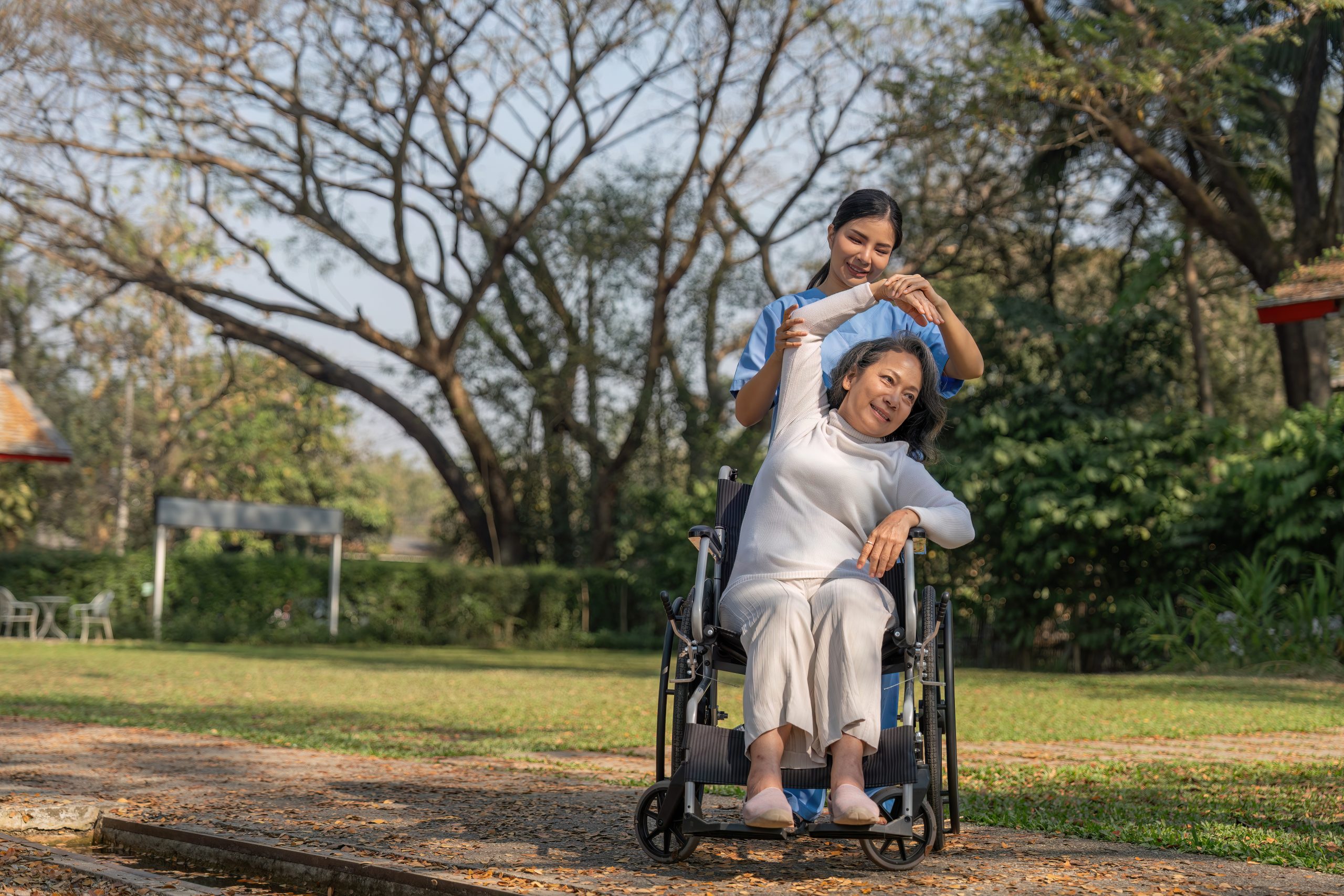
Specialist Disability Accommodation represents one of the most significant property and investment opportunities in the Australian NDIS market. Becoming an SDA provider requires navigating a specific registration pathway, meeting rigorous design and compliance standards, and understanding the funding model that underpins this high-value segment of the NDIS. HCPA has guided more than 10,500 businesses through NDIS-related registration processes, with a 99% first-time approval rate, and our team is experienced in the SDA pathway specifically. This guide covers what you need to know before committing to the process.
What Is Specialist Disability Accommodation?
Specialist Disability Accommodation (SDA) is a category of NDIS-funded housing designed for participants with extreme functional impairment or very high support needs who require specialist housing solutions. SDA funding pays for the bricks-and-mortar component of the housing, covering the cost of building, purchasing, or modifying dwellings that meet specific design standards.
SDA is not standard disability housing. It is purpose-built or purpose-modified accommodation that enables participants with very high needs to live more independently, with appropriate physical design features to support their daily functioning. The funding is significant: SDA payments are among the highest per-participant funding allocations in the NDIS, making it an attractive segment for property developers, investors, and disability service organisations looking to expand their service offering.
There are four SDA design categories, each reflecting a different level of physical support built into the dwelling: Improved Liveability, Fully Accessible, Robust, and High Physical Support. Each category has specific design requirements defined in the SDA Design Standard, and dwellings must be assessed and enrolled to confirm they meet the relevant category before SDA funding can be claimed.
SDA funding is separate from the support funding participants receive for their day-to-day care. A participant living in an SDA dwelling may have a range of other funded supports, including Supported Independent Living (SIL), that are funded and managed separately. Understanding this distinction is important when designing your SDA service model.
SDA Registration: What the NDIS SDA Provider Requirements Involve
To deliver SDA and receive SDA funding from the NDIS, you must be a registered NDIS SDA provider. This means completing the standard NDIS provider registration process and specifically registering under the SDA registration group. SDA registration NDIS requirements sit within the broader NDIS quality and safeguards framework, with additional requirements specific to accommodation providers.
The registration group for SDA is Registration Group 0115: Specialist Disability Accommodation. Providers applying under this group are assessed against the SDA module of the NDIS practice standards, which is a supplementary module on top of the core module that all registered providers must meet.
The SDA practice standards module covers specific obligations around tenancy and occupancy arrangements, participant rights in the context of their housing, dwelling maintenance and repair, and the management of SDA enrolments. These standards reflect the fact that for SDA participants, the dwelling is not just a service delivery setting. It is their home.
Because SDA involves high-value funding and complex participant circumstances, the Commission applies a certification audit pathway to SDA registration. This means an on-site audit is required, not just a desktop verification review. Your documentation, systems, and dwellings will be assessed in person by an approved quality auditing organisation.
SDA Enrolment: Registering Your Dwellings
Becoming a registered SDA provider and having SDA dwellings enrolled are two separate but related processes. Registration qualifies your organisation to deliver SDA. Enrolment qualifies specific dwellings to receive SDA funding.
To enrol a dwelling, you submit an SDA enrolment application through the NDIS Commission Portal. The application requires detailed information about the dwelling, including its location, design category, number of places, and evidence that the dwelling meets the SDA Design Standard requirements for the relevant category.
For new builds, this typically involves providing an architect’s certificate or an assessment from an accredited SDA assessor confirming that the dwelling meets the design standard. For existing dwellings being enrolled under the transitional provisions, different evidence requirements may apply depending on when the dwelling was constructed and what modifications have been made.
Each enrolled dwelling is assigned a specific SDA funding amount based on its design category, location, and the number of participants it can house. Understanding the funding model before you commit to a development project is critical. The SDA pricing arrangements are published by the NDIA and updated annually. Model your projected SDA income against your development and operating costs before proceeding.
The SDA Registration and Enrolment Timeline
The timeline for becoming an SDA provider depends on several factors: whether you are registering as a new NDIS provider or adding SDA to an existing registration, whether your dwellings are ready for enrolment, and how well-prepared your compliance documentation is when you begin the process.
For a new provider with no existing NDIS registration, the full process from initial application to receiving your registration certificate and enrolling your first dwelling typically takes between three and six months. This assumes your documentation is well-prepared and your dwelling is ready for assessment. Providers who begin the process without adequate documentation commonly experience significantly longer timelines.
Key milestones in the SDA pathway include:
- PRODA setup and organisation registration in the Commission Portal
- Compliance documentation development covering the core module and SDA supplementary module requirements
- Application lodgement with all required supporting documents
- Certification audit by an approved quality auditing organisation
- Registration decision by the NDIS Commission
- Dwelling enrolment applications submitted for each SDA dwelling
- Enrolment confirmed and SDA funding claimable for enrolled participants
Planning your registration timeline against your development or acquisition schedule is essential. SDA funding cannot be claimed until both your provider registration and dwelling enrolment are confirmed. Delays in either process delay your ability to generate income from the dwelling.
Common Challenges for New SDA Providers
The NDIS SDA provider requirements are more complex than standard NDIS registration, and new providers commonly encounter challenges that delay their timelines or create compliance risks. Understanding these challenges in advance allows you to prepare more effectively.
Design standard compliance is a frequent issue, particularly for providers converting existing properties rather than building to specification. The SDA Design Standard is detailed and technical, and non-compliant design features can result in a dwelling being assessed at a lower category than anticipated, reducing the funding allocation significantly.
Tenancy and occupancy documentation is another common gap. SDA providers must have appropriate tenancy frameworks in place that protect participant rights as tenants while also reflecting the specialist nature of the accommodation. Standard residential tenancy agreements are not sufficient for SDA.
Participant sourcing is a challenge that many providers underestimate. Having a registered SDA dwelling is not the same as having participants living in it and generating funding. Identifying participants with SDA approved in their plans and matching them to your dwelling requires active engagement with NDIS planners, support coordinators, and LACs well before your dwelling is ready for occupancy.
Coordination with SIL providers is operationally complex. Most SDA participants also receive SIL supports, which are delivered by a separate registered provider. The relationship between the SDA provider (landlord) and the SIL provider (support operator) needs to be clearly defined and documented to avoid gaps in participant support and compliance obligations.
How HCPA Supports SDA Provider Registration
HCPA’s registration support for SDA providers covers the full pathway, from initial scoping through to registration certificate and dwelling enrolment. Our consultants bring direct NDIS registration experience and an understanding of the SDA-specific requirements that general registration consultants often lack.
We help SDA clients with compliance documentation tailored to the SDA module requirements, audit preparation for the certification pathway, PRODA and Commission Portal navigation, and coordination with approved quality auditing organisations. Our structured process is designed to minimise delays and ensure your application presents as strongly as possible to the Commission.
After registration, HCPA’s ongoing support services and HCPA’s continuous compliance monitoring help SDA providers maintain their registration and stay ahead of regulatory changes. The NDIS SDA framework is updated periodically, and staying current with design standard revisions, pricing arrangements, and compliance requirements is an ongoing obligation.
Ready to begin your SDA provider registration? Contact HCPA today to speak with a consultant about your specific circumstances and get a clear picture of your registration pathway and timeline.
Take the Next Step Toward SDA Registration
HCPA is Australia’s Regulatory Growth Consultants. We help businesses enter and scale highly regulated industries, turning regulation from a barrier into a competitive advantage. With 27+ years of leadership experience, 100+ industry consultants, and a track record across 10,500+ businesses, we are equipped to guide you through the SDA registration NDIS process with confidence.
Explore our guides on how to become an NDIS provider, the full NDIS registration requirements, and what to expect from your NDIS audit preparation. For ongoing compliance once you are registered, our guide to NDIS compliance outlines what the Commission expects from active providers.
Book your consultation with HCPA today and start building toward a registered, compliant, and revenue-generating SDA business.