
Australia’s Cosmetic Injectables Market Opportunity
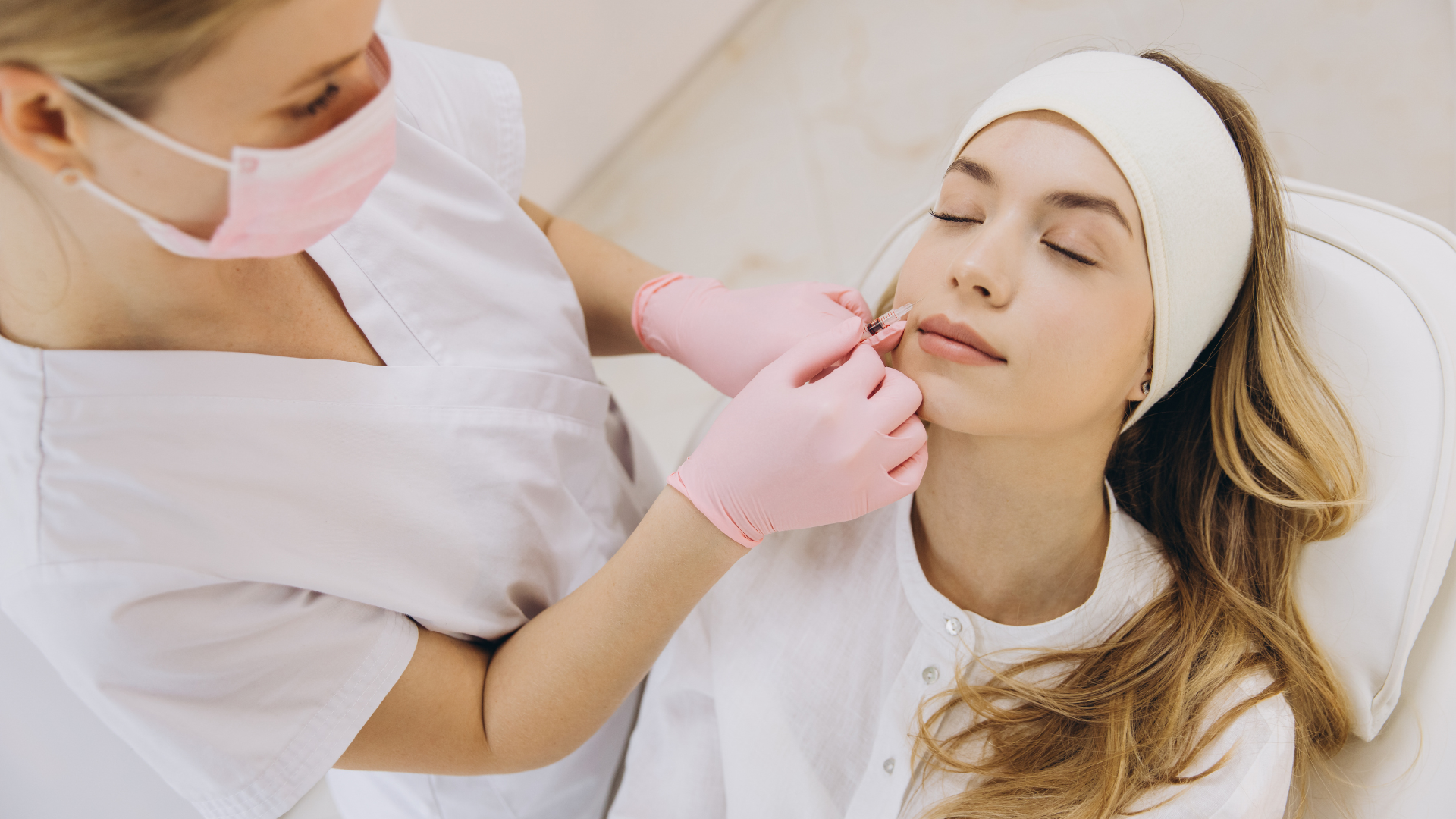
Across Australia, cosmetic injectables clinics have emerged as one of the fastest-growing segments within the medical aesthetics sector.
Driven by increasing consumer awareness, strong demand for minimally invasive treatments and repeat treatment cycles, the sector presents a compelling opportunity for healthcare investors seeking scalable, cash-pay clinical services.
Unlike many healthcare services that rely on Medicare or insurance reimbursement, cosmetic injectables operate in a private-pay environment, allowing clinic owners to maintain pricing control while responding directly to market demand. As Regulatory Growth Consultants, HCPA helps organisations enter and scale highly regulated industries by using regulation as a growth advantage. In medical aesthetics, the biggest opportunities do not exist in loosely structured or speculative models, they sit behind the regulated wall, where clinical governance, practitioner oversight and compliance frameworks support sustainable growth.
If you are considering entering the healthcare sector or expanding your existing operations, you can explore the opportunity here.
A Rapidly Expanding Aesthetic Market
The cosmetic injectables sector continues to demonstrate strong growth across Australia.
Key indicators include:
- The aesthetics segment represented over 85.1% of the Australian facial injectables market revenue in 2023.
- Market demand is expected to continue growing through 2030, supported by increasing consumer awareness and rising disposable income.
Cosmetic injectables are widely used for treatments including wrinkle reduction, lip enhancement, facial line correction and skin rejuvenation.
The continued expansion of the aesthetics segment highlights the mainstream adoption of minimally invasive cosmetic treatments across Australia. Cosmetic injectables have transitioned from niche services to widely accepted aesthetic procedures, driving strong and sustained market demand.
A Cash-Pay Healthcare Model
One of the most attractive characteristics of the cosmetic injectables market is its private-pay structure.
Key characteristics include:
- Cosmetic injectable treatments are paid privately by patients, rather than funded through Medicare or insurers.
- Treatments often follow repeat cycles every 3–6 months, creating recurring revenue for clinics.
- Procedures are typically short in duration, allowing clinics to deliver multiple treatments per session.
Because the sector operates outside traditional healthcare reimbursement models, clinic operators have greater flexibility in pricing, service design and operational growth strategies.
This creates a healthcare business model that combines clinical service delivery with strong commercial scalability.
For investors and healthcare professionals exploring clinic ownership, the cosmetic injectables sector offers a pathway into a cash-pay healthcare environment with strong consumer demand.
To explore how healthcare investors are entering new regulated industries, learn more here.
Lower Infrastructure Requirements Compared to Many Medical Services
Compared with other healthcare service lines, cosmetic injectables clinics often require more streamlined infrastructure.
Typical characteristics include:
- Clinics operate from consultation-based treatment rooms rather than complex medical facilities.
- Treatments can be delivered by appropriately trained healthcare practitioners within regulated clinical governance frameworks.
- Startup investment is generally lower than many healthcare services requiring specialised equipment or large facilities.
This makes cosmetic injectables clinics accessible to healthcare professionals, investors and medical entrepreneurs seeking entry into the aesthetics sector.
However, despite the relatively streamlined infrastructure, the sector still operates within regulated healthcare frameworks, requiring appropriate practitioner oversight, clinical governance and regulatory compliance.
What Is Driving This Market Growth?
Several factors are contributing to the continued expansion of cosmetic injectables across Australia:
- Increasing consumer demand for minimally invasive cosmetic procedures
- Greater acceptance of aesthetic treatments across a broader demographic
- Repeat treatment cycles that support predictable clinic revenue
- Strong social awareness of cosmetic treatments and personal wellness
These trends are transforming cosmetic injectables into one of the most commercially attractive segments of the healthcare services sector.
Opportunities for Healthcare Investors
For healthcare investors and medical entrepreneurs, the cosmetic injectables sector presents several strategic opportunities.
These include:
- Entry into a rapidly expanding private-pay healthcare market
- Potential to scale clinic models across multiple locations
- Opportunities to expand into complementary services such as skin treatments, laser therapies and aesthetic medicine
- Building recurring revenue through repeat treatment cycles
When structured correctly, aesthetic clinics can evolve from a single service offering into broader medical aesthetics businesses.
Compliance Considerations for Cosmetic Injectables Clinics
While the sector presents strong commercial potential, operating a cosmetic injectables clinic requires careful alignment with Australian healthcare regulations.
Key compliance areas include:
- AHPRA practitioner registration requirements
- Advertising restrictions relating to prescription medicines
- Clinical governance and patient safety frameworks
- Appropriate prescribing oversight for injectable treatments
Practices that treat regulation as an afterthought often face operational and legal challenges. In contrast, clinics that embed governance and compliance from the outset are better positioned to scale responsibly.
This is where Regulatory Growth becomes critical.
Regulation as a Growth Advantage in Medical Aesthetics
At HCPA, we define Regulatory Growth as using regulation as a growth advantage rather than a limitation.
In the cosmetic injectables sector, providers who align their clinic models with regulatory expectations early can benefit from:
- Stronger operational governance
- Greater practitioner accountability
- Improved patient safety frameworks
- Sustainable expansion across multiple locations
In other words, regulation does not restrict growth, it supports it.
The most successful healthcare businesses are those that build within the rules from the beginning.
Looking Ahead
Australia’s cosmetic injectables sector continues to expand as consumer demand, practitioner expertise and regulatory oversight evolve.
For healthcare investors and entrepreneurs considering entering into the aesthetics sector, success will depend on balancing commercial opportunity with regulatory structure.
Those who design their clinic models with compliance, governance and practitioner oversight from the outset will be best positioned to scale sustainably in this high-growth market.
HCPA is an all-in-one solution for healthcare businesses. We help organisations enter and scale highly regulated industries by turning regulation into a growth advantage.
If you are considering entering the cosmetic injectables sector, speak with our team today.