
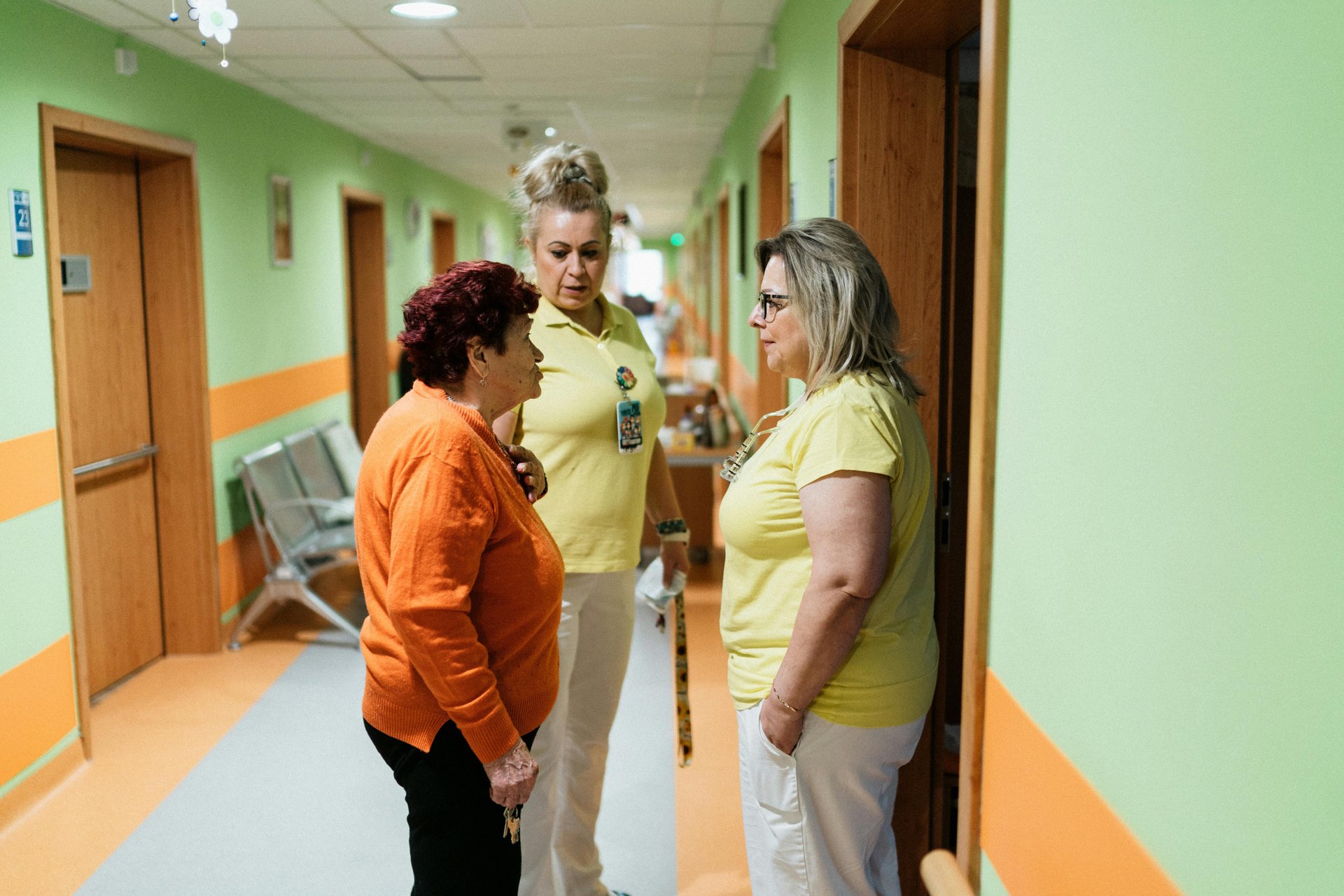
Aged care continuous improvement is not a policy document. It is not a committee meeting held once a quarter. It is the operational discipline of identifying what is not working, understanding why, implementing targeted changes, and measuring whether those changes made a difference – repeated systematically, at every level of the organisation, all the time. The Aged Care Quality and Safety Commission (ACQSC) assesses continuous improvement not by reviewing your improvement policy, but by examining whether improvement is actually happening in your service.
HCPA has guided 25+ aged care providers through ACQSC registration and ongoing compliance. Our team, led by Team Lead Shayan (7 years in quality and compliance, 3 years with HCPA), builds improvement systems that satisfy auditors and generate real operational gains. Our 20-step compliance process embeds continuous improvement structures from the outset – not retrofitted before an audit. Provider investment in our aged care compliance services typically ranges from $6,600 to $17,500 depending on scope and service type.
This guide covers what a genuine aged care continuous improvement system looks like, how to move from compliance documentation to cultural change, and how to build improvement processes that sustain your approval and grow your service.
What the ACQSC Expects: Continuous Improvement Under the Quality Standards
Continuous improvement is addressed explicitly in Standard 6 (Feedback and Complaints) and Standard 8 (Organisational Governance) of the Aged Care Quality Standards. Standard 6 requires providers to seek, act on, and learn from feedback and complaints. Standard 8 requires governing bodies to demonstrate a commitment to organisational improvement through effective governance systems, data analysis, and responsive action.
Beyond these two standards, the expectation of continuous improvement is embedded throughout the Quality Standards framework. Every standard implicitly requires providers to monitor performance, identify gaps, and act to close them. When ACQSC auditors assess Standard 2 (Ongoing Assessment and Planning), they look for evidence that care planning processes are regularly reviewed and improved. When they assess Standard 4 (Services and Supports for Daily Living), they look for evidence that service delivery is monitored and refined based on resident outcomes and feedback.
The ACQSC expects continuous improvement to be systematic, documented, and measurable. Informal improvements that occur without documentation, measurement, or governance oversight do not satisfy the standard – even if care quality is genuinely improving. Your improvement system must generate evidence that auditors can review.
The Continuous Improvement Cycle: A Practical Framework
A practical aged care continuous improvement system operates through a consistent four-stage cycle: identify, analyse, implement, and measure. Each stage feeds into the next, creating a closed loop where improvement efforts are grounded in real data and their effectiveness is verified before the cycle begins again.
Stage 1: Identify Improvement Opportunities
Improvement opportunities come from multiple sources. A robust system captures improvement signals from all of them and channels them into a central improvement register. Your improvement inputs should include:
- Quality indicator data: Adverse trends in mandatory QI results, standards-aligned indicators, and organisation-specific metrics
- Incident and near-miss analysis: Patterns in your incident register that point to systemic issues rather than one-off events
- Consumer feedback and complaints: Formal complaints, informal feedback from residents and families, and consumer experience survey results
- Staff feedback: Reports from frontline staff who observe care delivery directly and often identify problems before they appear in data
- Internal audit findings: Results from mock audits, clinical audits, documentation audits, and governance reviews
- External audit findings: ACQSC audit outcomes, accreditation reports, and any compliance notices
- Regulatory changes: New guidance, updated standards, or changed expectations from the ACQSC that require process adaptation
- Benchmarking: Comparison of your performance data against national benchmarks or peer providers
Your improvement register – the central log of identified improvement opportunities – should capture the source of each opportunity, the date identified, the responsible party for progressing it, and its current status. This register is a primary document reviewed during ACQSC audits.
Stage 2: Analyse Root Causes
Root cause analysis is the discipline of understanding why a problem exists, not just what the problem is. Implementing solutions to symptoms without understanding causes produces temporary fixes that fail to prevent recurrence. A rise in fall rates might have multiple potential causes: inadequate environmental safety assessments, failure to implement recommended fall prevention interventions, staffing gaps during high-risk periods, or inadequate mobility aid provision. Each cause requires a different response.
For serious incidents and adverse trends, use structured root cause analysis methods such as the “Five Whys” technique or fishbone (Ishikawa) diagramming. For simpler improvement opportunities, a brief analysis that identifies contributing factors is sufficient. The key requirement is that your improvement actions are traceable to an identified cause – not just a response to a symptom. ACQSC auditors review root cause analysis documentation to assess the depth of your improvement thinking.
Stage 3: Implement Targeted Improvements
Improvement actions must be specific, time-bound, and assigned to named responsible parties. A vague action like “improve medication management processes” is not sufficient. A specific action like “implement pharmacist-led medication review for all residents on five or more medications by [date], with [named clinical lead] responsible for scheduling and tracking completion” is the standard required. Your improvement register should capture:
- The specific action to be taken
- The responsible party by name or role
- The target completion date
- The expected outcome or improvement metric
- Resources required to implement the action
- Progress updates at each review cycle
Implementation tracking is as important as the action plan itself. HCPA builds improvement register templates with status tracking built in – so that the governing body and quality committee can see at a glance which actions are on track, which are delayed, and which have been completed and evaluated.
Stage 4: Measure Effectiveness
Every improvement action should have a defined measurement point – a specified date or milestone at which you assess whether the intervention worked. Did the pharmacist-led medication review result in a reduction in antipsychotic medication use? Did the new fall prevention protocol reduce falls in the three months following implementation? Measurement closes the improvement loop and generates the trend data that demonstrates your quality culture is real.
When an improvement action does not produce the expected result, your process should trigger a secondary analysis. Did the intervention fail because the root cause analysis was incomplete? Because the action was not implemented as planned? Because external factors changed? Secondary analysis feeds back into Stage 1 – generating a new improvement cycle that builds on what you learned. This is what a genuine continuous improvement culture looks like in practice.
Building a Culture of Continuous Improvement
Systems and documentation create the infrastructure for continuous improvement. Culture is what makes it run. ACQSC auditors assess culture through staff interviews, observations of care delivery, and the patterns they see in documentation. A provider with strong improvement culture has staff who identify and report quality concerns freely, managers who treat feedback as valuable intelligence rather than criticism, and leaders who model the behaviour they expect from their teams.
Staff Engagement and Safety Culture
Make Continuous Improvement Your Regulatory Growth Engine
HCPA builds aged care continuous improvement frameworks that satisfy Standard 8 and create the quality culture ACQSC assessors expect to see. Explore our aged care services or speak with our team directly.
Frontline staff are your most valuable source of improvement intelligence. They see care delivery directly, observe near-misses that never make it into formal reports, and notice patterns in resident behaviour and outcomes that clinical data systems do not capture. Building a culture where staff feel safe to raise concerns without fear of blame or retribution is foundational to continuous improvement.
This means establishing clear, accessible channels for staff to raise quality concerns – not just formal incident reporting systems. Regular team meetings with an agenda item for “what could we do better?” Regular one-on-one conversations between managers and frontline staff. A genuine open-door policy for concerns about care quality. And critically, evidence that when staff raise concerns, something happens as a result.
Leadership Behaviour and Governance Integration
Improvement culture starts at the top. When the governing body actively reviews quality data, asks probing questions about improvement actions, and holds management accountable for improvement outcomes, it signals to every level of the organisation that quality matters. When leaders participate in quality walks, celebrate improvement successes, and respond visibly to quality failures, culture shifts. Governance integration – connecting improvement data to board oversight – is what transforms quality management from an operational function to an organisational value.
Building this governance integration is covered in our detailed guide on aged care risk assessment – which addresses how governance reporting structures connect risk, quality, and improvement at the board level.
Consumer Involvement in Improvement
Standard 1 (Consumer Dignity and Choice) and Standard 2 (Ongoing Assessment and Planning) both require genuine consumer involvement in decisions about care and service delivery. This extends to improvement planning. Consumers and families who are genuinely invited to participate in identifying what needs to improve – through resident forums, feedback mechanisms, and individual care planning conversations – provide improvement intelligence that no internal audit or data system can replicate.
ACQSC auditors interview residents and families as part of every audit. If residents report that their feedback is not acted on, or that they were not aware their input was sought, this creates a compliance gap regardless of what your improvement documentation says. Consumer experience must be visible in your improvement register – with documented responses to what consumers told you.
Connecting Continuous Improvement to Quality Indicators and Incident Management
Continuous improvement, quality indicators, and incident management are three interconnected systems that must work together. Quality indicators provide trend data that identifies where improvement is needed. Incident management provides event-level data that reveals systemic issues. Continuous improvement is the process that acts on both data sources to drive measurable change.
For detailed guidance on building the quality indicator measurement systems that feed your improvement planning, see our article on aged care quality indicators. For guidance on the incident reporting and investigation processes that generate improvement intelligence from adverse events, see our article on aged care incident management.
When these three systems are genuinely integrated – improvement register updated from both quality data and incident analysis, improvement actions measured using quality indicators, incident trends informing risk assessment updates – you have the governance infrastructure that ACQSC auditors recognise as genuine quality culture. This is the standard HCPA builds toward with every aged care client.
Documenting Continuous Improvement for ACQSC Audits
Documentation is the evidence base for your continuous improvement claims. When an ACQSC auditor asks “can you show me your continuous improvement process?” the answer is the documentary trail your system generates. The key documents that constitute your continuous improvement evidence base are:
- Continuous improvement policy: Defining your approach, cycle, and governance responsibilities
- Improvement register: Central log of all identified improvement opportunities, analyses, actions, and measurement outcomes
- Board/quality committee minutes: Records of governance oversight of improvement planning and outcomes
- Quality indicator trend reports: Historical data showing how your performance has changed over time
- Root cause analysis records: Documentation of how you analysed significant quality events
- Action completion records: Evidence that improvement actions were implemented as planned
- Consumer feedback records: Documentation of feedback received and responses provided
- Staff feedback records: Evidence of staff engagement in improvement identification
For ongoing automated compliance monitoring between formal reviews, HCPA works alongside Audit Pilot – which provides continuous quality and compliance tracking for aged care providers, with alerts when performance trends warrant attention before they become audit findings.
Frequently Asked Questions: Aged Care Continuous Improvement
How frequently should an aged care improvement register be reviewed?
Your improvement register should be reviewed at minimum monthly at an operational level, with quarterly review by your quality committee and governing body. Review frequency should increase during periods of elevated quality risk – for example, following a serious incident, during an ACQSC audit cycle, or after a significant regulatory change. The review process must include assessment of action completion status, effectiveness of completed actions, and identification of any new improvement priorities since the last review.
What is the difference between continuous improvement and a quality management system?
A quality management system (QMS) is the broader framework of policies, procedures, roles, and responsibilities that define how your organisation manages quality. Continuous improvement is one component of a QMS – specifically, the process of systematically identifying and closing quality gaps. Your QMS provides the governance structure; continuous improvement is the operational discipline that makes the QMS functional. Both are required for ACQSC compliance, and both must be documented and integrated.
How does continuous improvement connect to ACQSC audit outcomes?
ACQSC auditors use continuous improvement evidence to assess whether quality governance is genuine or performative. Providers with strong improvement documentation – active improvement registers, documented root cause analyses, measurable outcomes from improvement actions, and evidence of consumer and staff involvement – typically perform significantly better in audits. Providers with weak improvement documentation often receive non-compliance findings even when their direct care quality is reasonable, because the governance evidence is absent.
Can we use improvement actions from previous ACQSC audits as evidence of our improvement culture?
Yes – and ACQSC auditors will specifically look for how you responded to previous audit findings. If your last audit identified a gap in your documentation practices, and your current audit shows a fully implemented documentation improvement program with measurable outcomes, that is powerful evidence of an improvement culture. Conversely, if previous audit findings remain unaddressed, this significantly increases your compliance risk and will attract auditor scrutiny.
How do we involve residents with cognitive impairment in continuous improvement?
Involving residents with cognitive impairment in improvement processes requires adapted approaches. Validated observational tools can capture quality-of-life indicators for residents who cannot reliably self-report. Family and substitute decision-maker input becomes particularly important for this cohort. Structured observation by trained staff during care delivery can identify comfort, engagement, and distress signals. Consumer advocacy organisations can provide additional perspectives. Your improvement system must document how you gather consumer experience data from residents with cognitive impairment specifically – generic survey approaches are not sufficient for this population.
What investment is required to build a compliant continuous improvement system?
Building a compliant continuous improvement system with HCPA’s support involves investment in the $6,600 to $17,500 range for initial framework development, depending on your provider type and complexity. This covers improvement policy development, improvement register design, quality committee terms of reference, board reporting templates, staff training, and integration with your quality indicators and incident management systems. Post-implementation, ongoing compliance monitoring through Audit Pilot adds a cost-effective layer of continuous oversight between formal ACQSC audit cycles.
Build the Continuous Improvement System That Protects Your Approval
Aged care continuous improvement is the governance discipline that transforms compliance from a point-in-time event into a sustainable operational state. Providers that build genuine improvement systems – with active registers, documented root cause analyses, measured outcomes, and genuine consumer and staff involvement – do not just satisfy auditors. They build organisations that get better over time, provide higher-quality care, attract better staff, and sustain their approval without compliance anxiety.
HCPA’s compliance team is ready to assess your current improvement framework, identify gaps, and build the systems that will satisfy ACQSC auditors and drive genuine quality improvement in your service. Whether you are preparing for registration or strengthening existing systems ahead of an audit, we bring the expertise and proven frameworks to get you there.
Contact HCPA to speak with a consultant about building your continuous improvement framework – or explore our full aged care compliance suite, including our guides to aged care quality indicators and aged care risk assessment for the complete governance picture.